


Finance
Research: Here’s How Fuel and Freight Costs are Squeezing Distributor Margins
November 3, 2026


Logistics/Delivery
Bigger account lists and more miles don’t necessarily translate into stronger sales. A field sales study highlights how top performers prioritize core customer relationships, disciplined planning and efficient routing. Here are five ways distribution sales leaders can apply those habits.
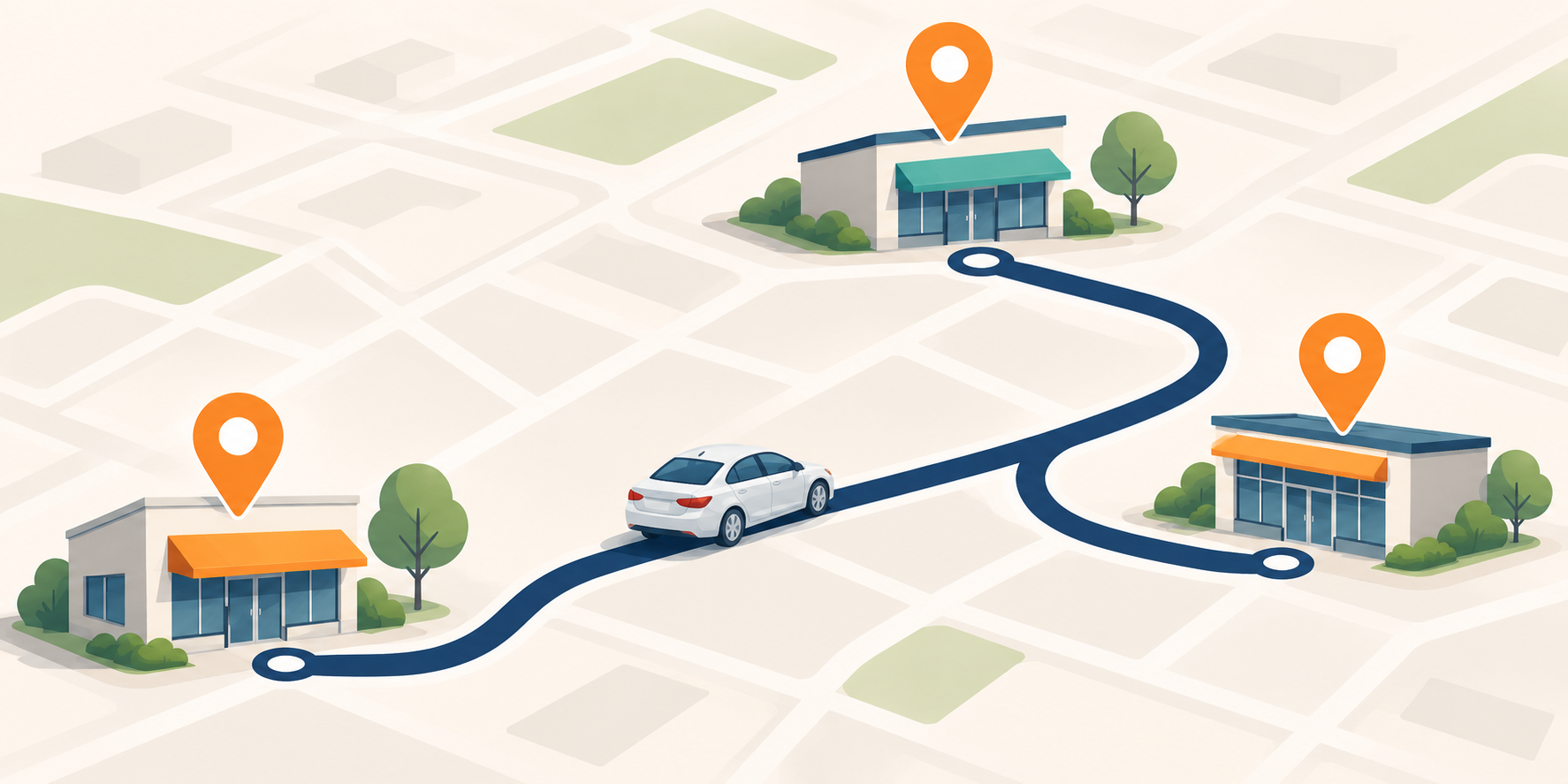
It’s 2:15 PM on a Thursday, and a distributor sales rep sits in his truck in a contractor’s gravel lot.
He just finished his second unannounced drop-in. At the first stop, the buyer was out; at this one, the foreman offered two minutes of small talk before confirming they didn’t need anything. Now the rep has his laptop propped against the steering wheel, logging quick notes while scrolling through his phone to see who else on his 300-account roster is nearby before 4:00 PM.
To distribution executives, that afternoon represents a costly operational paradox. The rep logged three hours behind the windshield, burned half a tank of gas, and worked an honest eight-hour day, yet accomplished almost nothing.
For decades, conventional wisdom in distributor sales has preached the same playbook: when growth slows, cast a wider net. Assign more accounts, cover more highway miles, and treat sales as a brute-force numbers game.
During cycles when inflation and price increases lift top lines across distribution rosters, that approach looks acceptable on a dashboard. But when demand normalizes and margins compress, spreading field reps thin across bloated account lists exposes a painful reality: it burns fuel, drains selling capacity, and leaves high-value core accounts neglected – not to mention how demoralizing it is for the rep.
To evaluate what actually happens on the road, we partnered on an empirical Field Performance study alongside industrial manufacturer Jasper Engines & Transmissions ($1.1B revenue, 53 branches). Over two quarters, we analyzed 172 outside field reps across 305 quarterly profiles, evaluating daily mobile telemetry alongside verified CRM sales outcomes.
The results prove that casting a wider net actually backfires.
NAW Webinar: How One Distributor is Advancing Field Sales Management
MDM Amplify Podcast: Field Sales Is Far From Dead – It’s Evolving
When we evaluated reps across performance tiers, the data showed a clear operational divide:
Why it matters: Reps driving real growth aren’t sprinting across an entire state trying to shake every hand once a quarter. They methodically protect and grow their core accounts through predictable, high-touch visits.
Distributor reps routinely spend a heavy portion of their workweek caught in transit or stalled by admin tasks. When tracking how high performers structured their days, the contrast was stark:
Driving isn’t selling. Reps who cluster customer visits spend less time behind the windshield and far more face-to-face time on job sites, shop floors, and branch counters.
When reps miss quarterly targets, distribution leaders often default to lagging metrics: closed sales and trailing pipeline reports. If revenue softens, the typical response is simply telling the sales force to “sell harder.”
To test the predictive power of daily routines, we trained an XGBoost machine learning model on daily field habits, including route planning, visit cadences, and verified check-ins:
Field sales execution is no longer an unmanageable black box. Growth isn’t driven by charisma or territory luck; it is built on repeatable, measurable operational routines that managers can identify and coach mid-quarter.
1. Re-tier account rosters around visit cadences
Stop evaluating outside reps on broad territory coverage or raw account lists. Segment customer lists by revenue potential and establish structured visit cadences (e.g., Tier 1 visited bi-weekly, Tier 2 monthly, Tier 3 managed digitally or via inside sales). Measure reps on cadence compliance rather than roster size.
2. Stop letting windshield time eat into margins
Dynamic daily routing eliminates backtracking and clusters visits, converting wasted travel hours into more face-to-face conversations.
3. Coach the daily habits that produce the numbers
Pipeline dashboards show what closed last month, not what is happening today. Review leading behaviors in weekly 1-on-1s: Are reps consistently using planned routes? Are they executing scheduled account cadences? Intervene where routines break down before the quarter ends.
4. Build playbooks around top routines to lift the middle 60%
Most distributors have an elite tier carrying branch targets. Documenting their planning habits, routing frequency, and touchpoints gives managers a practical baseline to coach middle performers into reliable producers.
5. Eliminate after-hours administrative friction
Outside reps resist tools that keep them chained to laptops entering administrative logs at night. Streamlining on-site mobile data capture gives leadership real-time visibility while keeping reps focused on customer relationships.
Moving field sales from an unmanaged “numbers game” to an operational system doesn’t require overhauling your entire operation or asking reps to do more administrative homework. It starts with recognizing that driving isn’t selling, and that consistent margin growth comes from protecting core accounts through disciplined, high-touch routines. When sales leaders replace guesswork with leading behavioral habits, the performance of the entire team rises.
The complete Field Sales Performance Study is available for download at mapmycustomers.com/field-sales-performance-study.

Stay Informed
News, trends, and analysis for wholesale distribution leaders. Free, everyday.
Subscribe to MDM Update