
MDM Market Leaders
QXO Leads Distributors on Forbes’ Most Trusted Companies in America
October 22, 2026


Sales & Marketing
Once you establish goals for your customized incentive program and become familiar with its analytics output, budgeting is the next key component.

Incentive programs are a valuable and versatile tool for distributors, manufacturers and suppliers who want to increase channel sales, build excitement around products, experience effective growth over time and enhance sales and marketing initiatives.
Once you establish overarching goals for your customized incentive program and become familiar with its output of reporting and data, budgeting is the next key component.
Determining how much to invest in an incentive program depends on the gold standard of ROI. How much you allocate toward categories in your program — including consultation, technology and setup, administration, communication and reward costs — varies based on the size of your target audience and the complexity of the program.
The goal of an incentive program for distributors and manufacturers determines how big an undertaking and investment your program should be, your target audience, and, largely, how you should reward participants. It’s important to be familiar with the performers or customers in your participant audience, i.e., those whose behaviors you want to influence with incentive rewards.
If necessary, you can segment participants into different groups to invest more in top performers and your most loyal partners, while still motivating middle-majority performers with different incentive plans and reward types. With a well-defined idea of who you’re rewarding and how, you’ll have the understanding you need to begin incentive program budgeting effectively.
After establishing more specific program goals and a target audience, consider the type of incentive program that best fits your needs and will appeal to your channel partners. Three common incentive program types include:
There are three main elements of an incentive program that require funding: the rewards, the technology and program maintenance/services.
Incentive technology setup involves fixed cost and variable elements – either paying for all of the technology upfront or customizing a program. Some companies offer their own unique costing options. You may pay a basic package fixed cost, for example, which includes everything you need to reward, communicate with and market to participants. Then you can add on program-enhancing modules with specialized, pre-programmed features as needed.
Unlike many business software solutions that require set yearly and/or monthly costs, incentive plans have some flexibility in terms of cost and budgeting.
The most effective incentive programs are often highly customized to fit the individual needs of manufacturers and distributors.
Here are ways you can take a strategic, cost-effective approach to incentive program budgeting:
Additionally, often incentive programs can be customized to benefit multiple departments or even organizations. Particularly if you sell through a distribution channel, your business isn’t the only one that gains from increased customer loyalty or sales. Propose a joint incentive program budget paid for through MDFs or company co-ops, sharing both costs and gains with your business partners. Since an incentive program is both a sales and a marketing asset it makes sense to share its costs between both departments.
You may also consider outsourcing some incentive services while managing others in-house. If you want to run the incentive program completely in-house, you might need to hire an incentive program manager or pull an in-house team off other projects to manage the program. Outsourcing incentive services such as reward fulfillment, participant support, communication/marketing or program analysis and measurement could save money in the long run. Incentive service providers often have specialized expertise and experience achieving ROI which can be especially valuable if you are new to using incentive programs.
Much like the other budgetary components of a business, incentive program management requires analysis and optimization of its budget to ensure you are getting the most out of it.
When analyzing your program, start with your organization’s metrics. Are you meeting your goals? Why or why not? As you’ve increased spending, how has performance increased? If it hasn’t, are there reasons why? Are the metrics you’re currently tracking ideal to detect success?
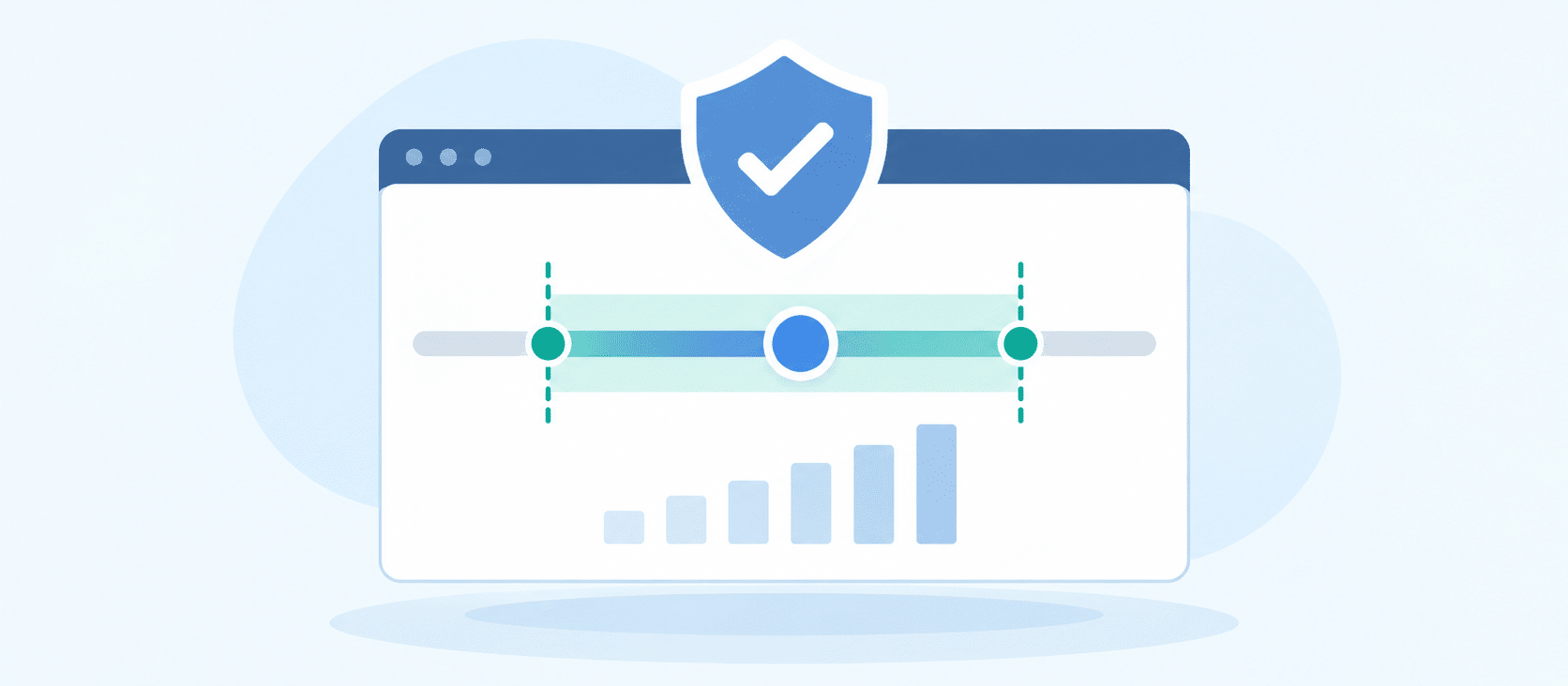
An incentive program’s budget for manufacturers and distributors and its results aren’t always going to scale on a 1:1 ratio. You’ll sometimes find diminishing returns as you continue scaling your budget upward. In this situation, you may need to change the structure of your incentive program. Investing more money won’t help because it will be going to the wrong things. But the only way you’ll be able to tell is through careful and consistent analysis.

Stay Informed
News, trends, and analysis for wholesale distribution leaders. Free, everyday.
Subscribe to MDM Update